

Client SpotlightSep 29, 2026
Client Spotlight: Dame
Dame Products is a women-led brand developing innovative products that support sexual health and wellness.
Dame Products is a women-led brand developing innovative products that support sexual health and wellness.
AI tools have become genuinely useful for small and mid-sized businesses. They can accelerate research, sharpen writing, surface patterns in data, and free up time for higher-value work. But the same speed that makes…
"Webster Pacific has been an invaluable partner to Legacy Concierge as we navigate rapid growth in a high-touch, high-stakes business. Over the past year, they’ve taken meaningful pressure off ownership by leading our…

I want to take a moment to recognize and express our deep appreciation for the outstanding partnership we’ve had with Webster Pacific. Their team has played a critical role in helping Ultimate Solutions identify…

Webster Pacific didn’t just hand us data—they handed us a roadmap. In all areas of the business they’re shifting our perspective from ‘how much are we spending?’ to ‘how much more can you grow?’ As a startup that’s the…

andSons is a California-based chocolatier offering a fine selection of modern and classic bonbons. Webster Pacific has been helping andSons to effectively manage inventory and cash flow since 2023. And their chocolates…

Peter Buchanan-Smith, the original founder of Best Made, has bought his company back from Duluth Trading Company, and the brand has been relaunched here. From the East Coast to the West, the excitement is palpable…
 ▶ Video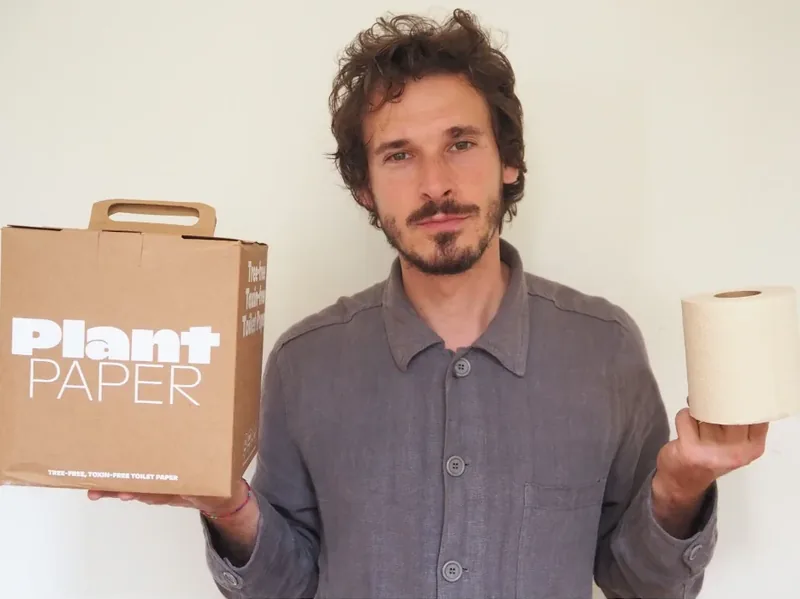
PlantPaper is a tree-free Brooklyn toiletries company known as “The Softest On the Planet.” CEO Lee Reitelman engaged Webster Pacific to be his operating partner as he expanded PlantPaper’s ecommerce and subscription…
 ▶ Video
 ▶ Video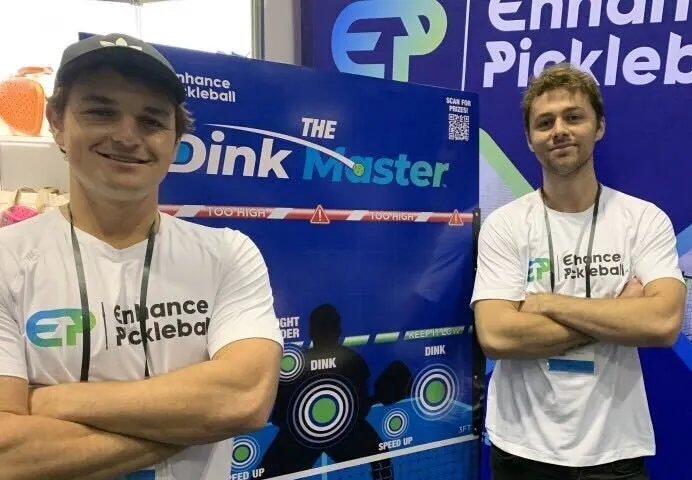
Enhance Pickleball is a Los Angeles pickleball equipment brand and a Webster Pacific client since 2023. Co-founders Connor Hance and Drew Baird engaged Webster Pacific to be their operating partner as they grow their…

The Phinery is a Seattle-based interior design studio and a Webster Pacific client since 2023. Over the past year Webster Pacific has helped Becky Ducsik, founder and creative director, model business forecasts to…
 ▶ Video
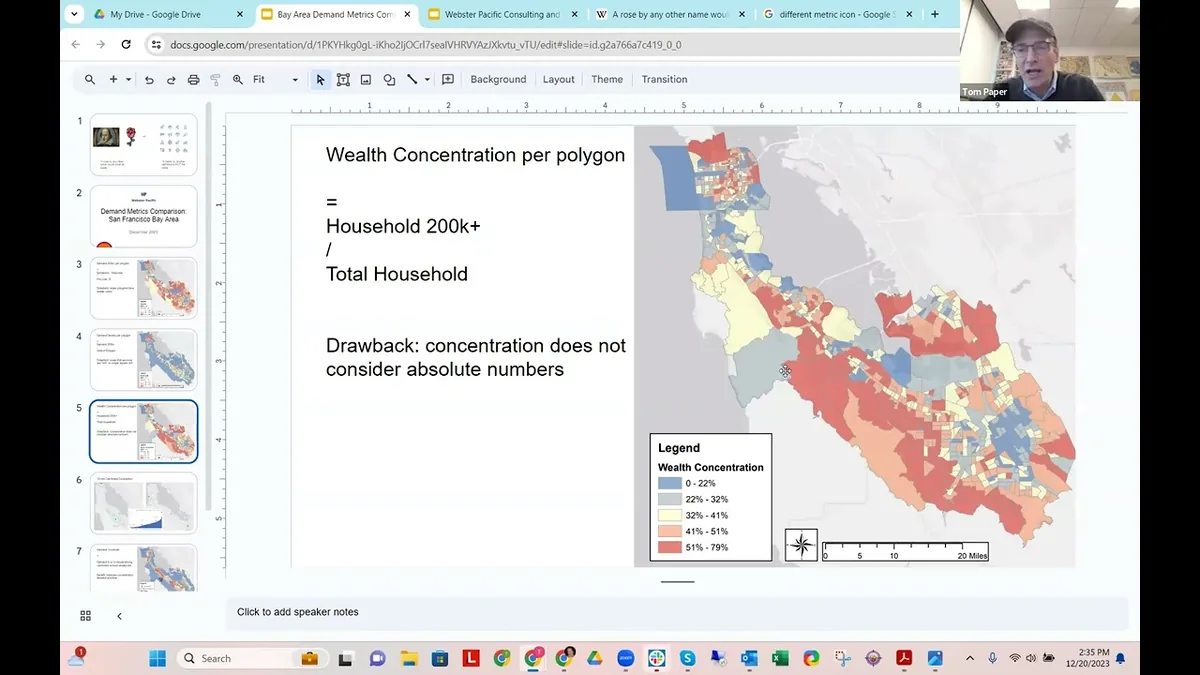
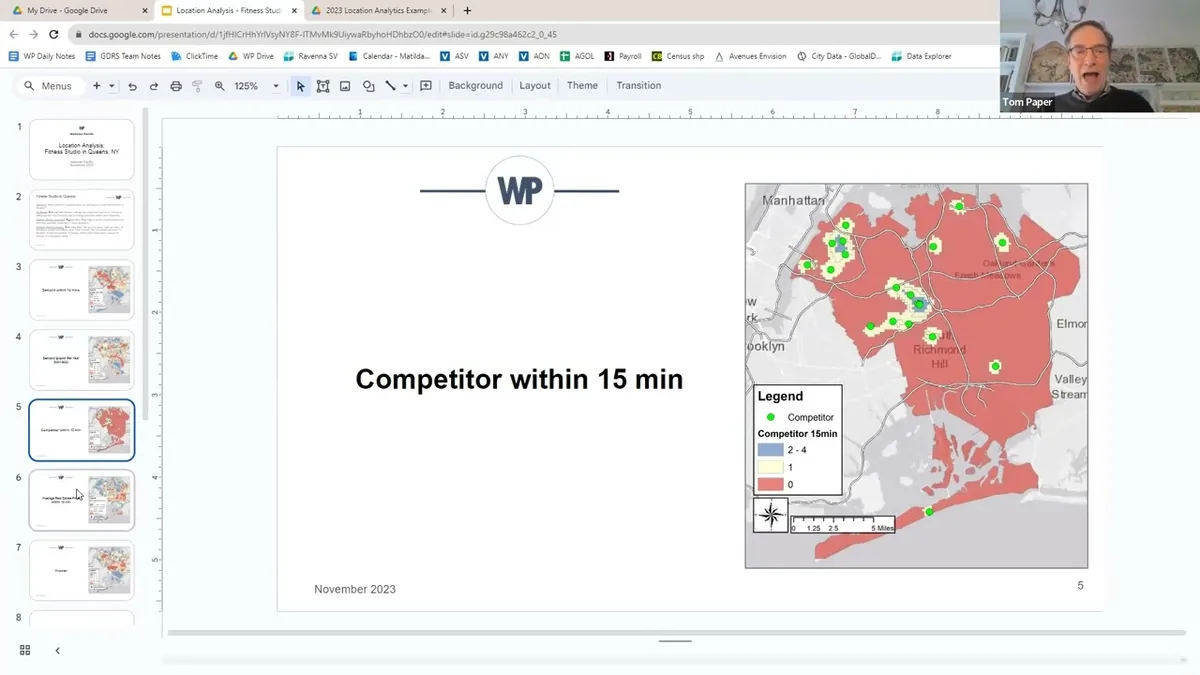
Say you want to measure demand within a geographic area. You have data about household size, age, and wealth by ZIP code. How should you perform your analysis to better understand the market?

Hammies is a Southern California clothing retailer and a Webster Pacific client since 2022. Over the past two years Webster Pacific has helped Hammies CEO and owner, Grant Nestor, make better decisions through robust…
 ▶ Video
Many commercial real estate brokers SELL, NOT TELL. They sell you what they have, instead of telling you where you should buy.
Webster Pacific's outlook for Black Friday 2023 is optimistic, projecting a 12% year-on-year rebound from 2022, approaching levels observed in 2021. This projection and others in this report are based on an analysis of…
 ▶ Video
Wealth, like so many other metrics, can be defined in multiple ways, including households earning more than $200k+, High Net Worth Individuals, Ultra High Net Worth Individuals, and Billionaires. After the great…
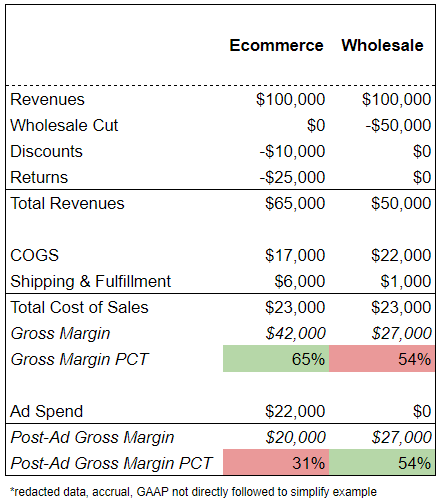
A common misconception among expanding e-commerce businesses is, "Why would I ever focus on wholesale? I make more money on e-commerce." While there are numerous reasons to focus on channel diversification, below is an…
 ▶ Video
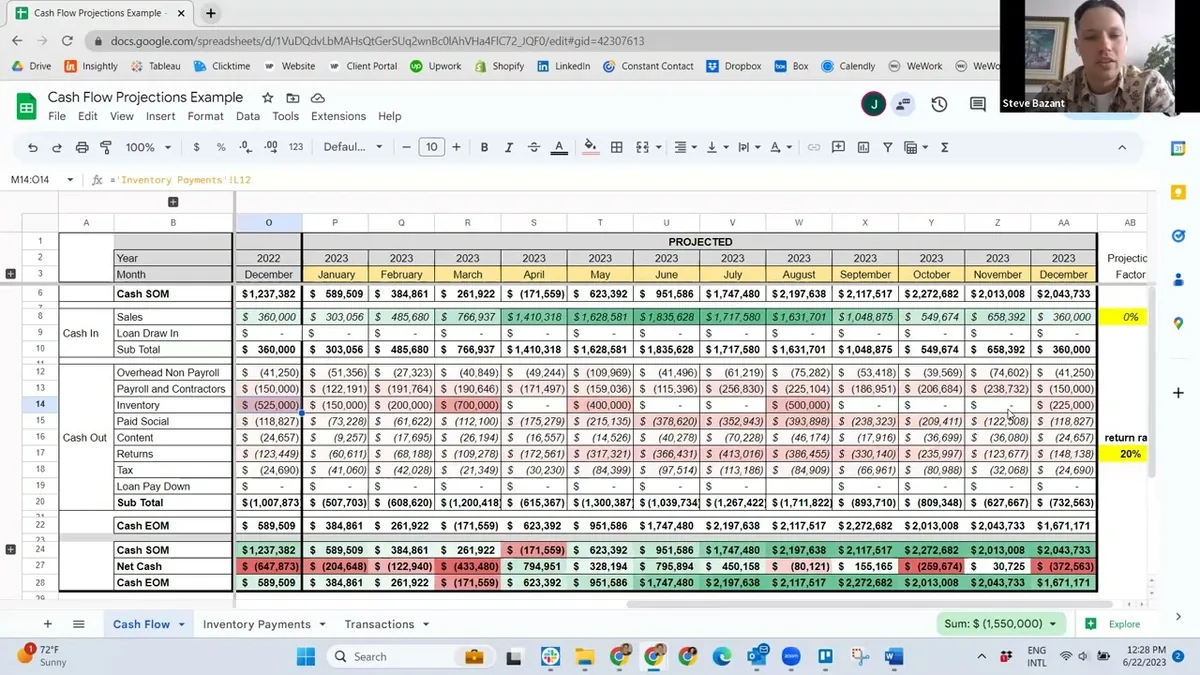
If you couldn't join us for the live session on August 23, 2023, you can now access the replay of our Cash Flow Modeling webinar by Webster Pacific Managing Partner, Tom Paper, and Partner, Steve Bazant. Gain valuable…

Having accurate costs per product is crucial for businesses as it ensures accurate profitability analysis, informed pricing decisions, and improved financial management, ultimately paving the way for sustainable growth…
 ▶ Video
Cash flow models are essential for maintaining financial stability and answering questions about inventory, debt, equity, and more. Webster Pacific helps small and medium-sized businesses study the historical movement…

The Lycée Français de New York offers a bilingual French and American education of the highest standard with a mission to prepare students of many origins to be thinkers, innovators, and leaders, at home in the world.

We have found that schools are like airplanes. Generally speaking, schools are financially sustainable when they are filled to capacity, but not sustainable when they are under capacity. Watch us explain two use cases…

SIN, a Webster Pacific (WP) client since 2022, is a Brooklyn-based business that transforms clay into exclusive designs and decorative items.
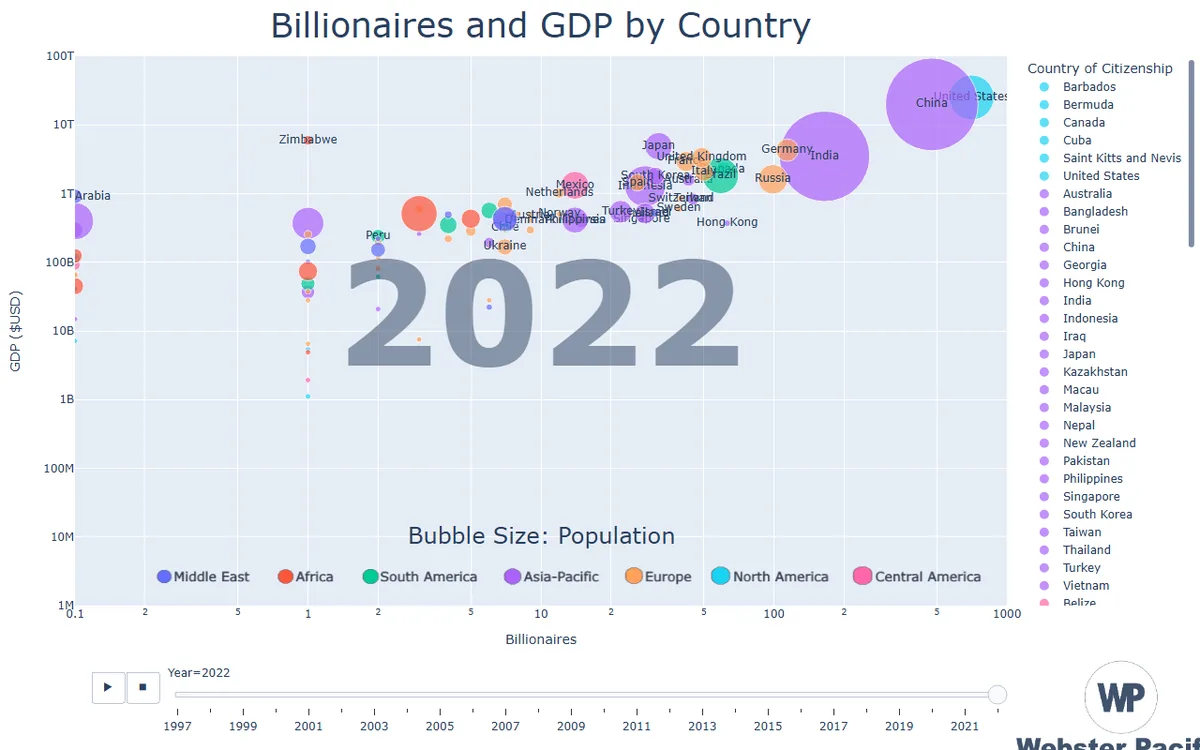
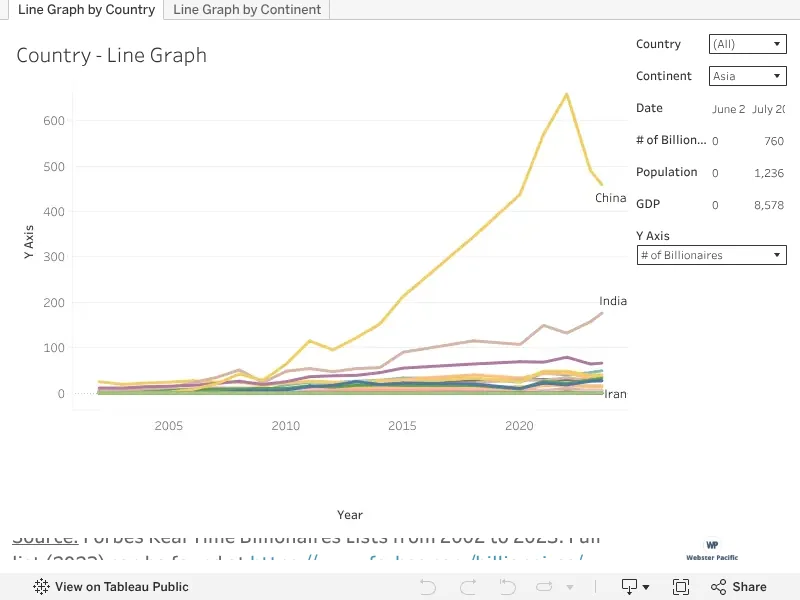
Inspired by Gapminder, the famous Hans Rosling visualization about life expectancy and income, we decided to make an interactive visual that shows how billionaires and GDP by country have changed over time. You can…
Avenues The World School is a global school with students across six continents and a mission to redefine schooling for a fast-changing world.
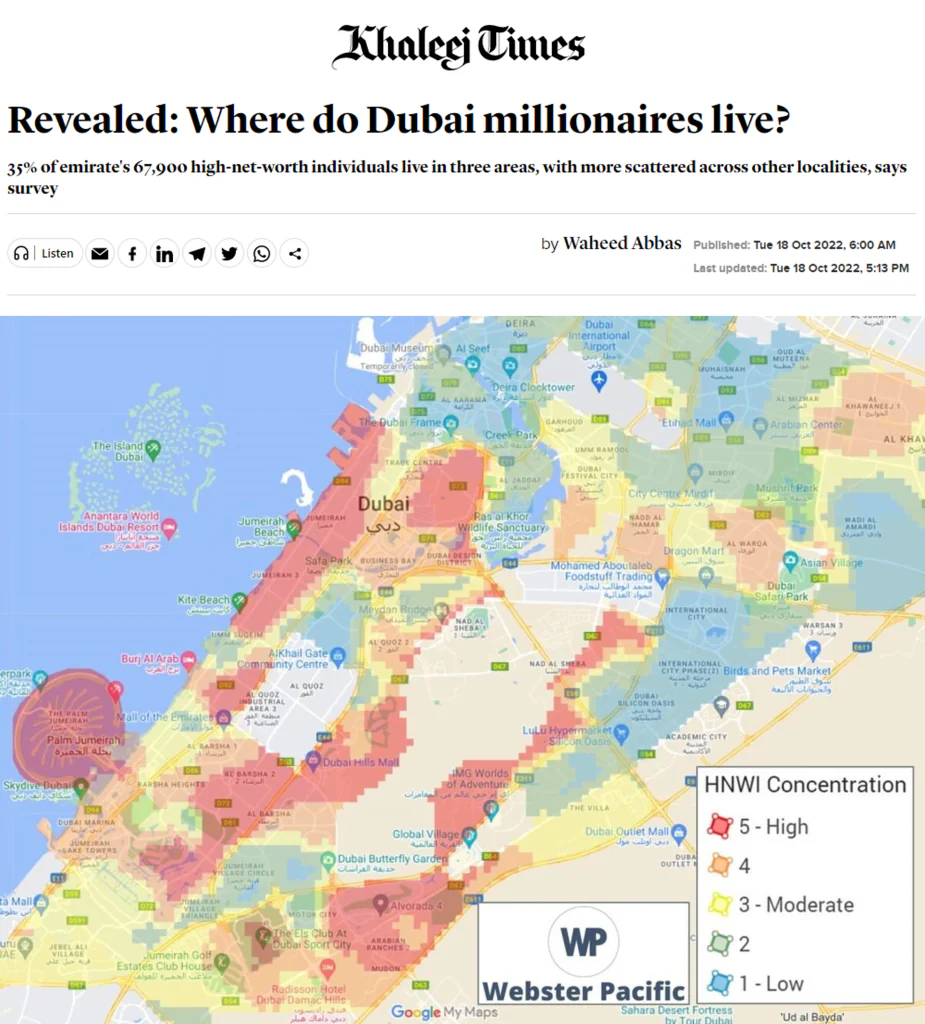
This report is compiled by strategy consultancy Webster Pacific (www.websterpacific.com) using their proprietary analytics to map High Net Worth Individuals (HNWI) at the neighborhood level. Total Dubai HNWI counts…
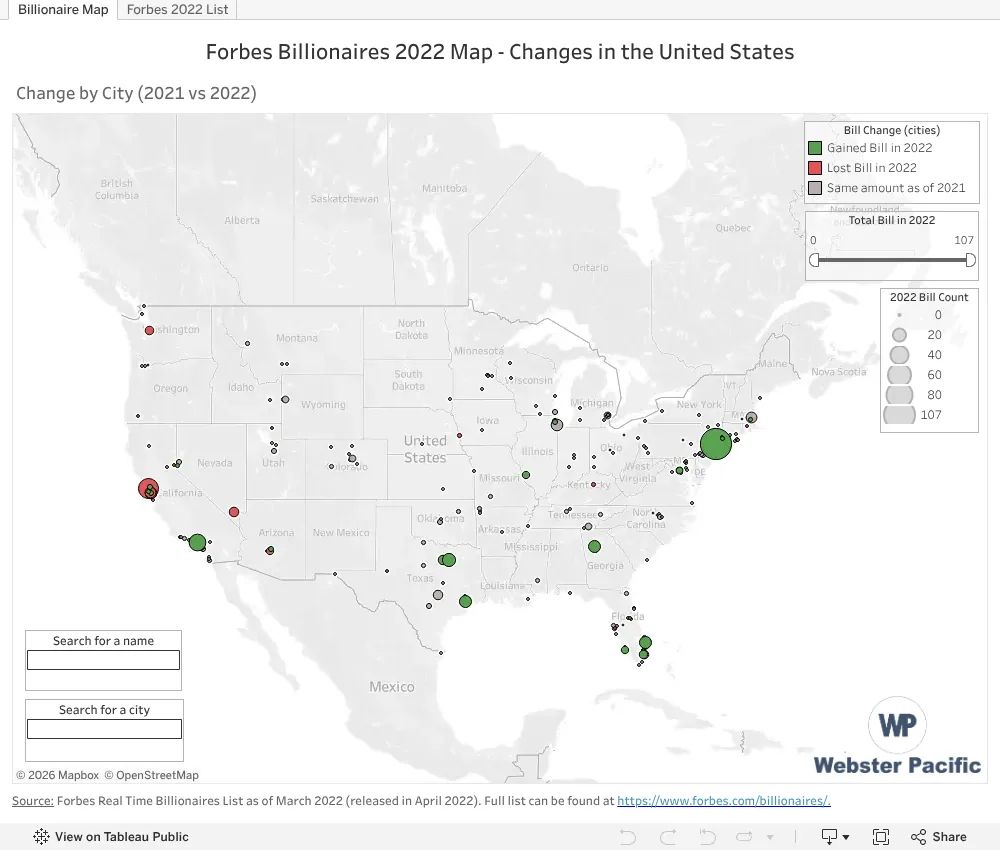
The 2022 Forbes Billionaires List was published recently and, as we did last year, we’ve mapped the information, with a focus on billionaires in the US and the change between 2021 and 2022. You can interact with the…

Endeavor Schools is a growing family of over 70 private schools in 13 states across the United States and has been a Webster Pacific client since 2020.
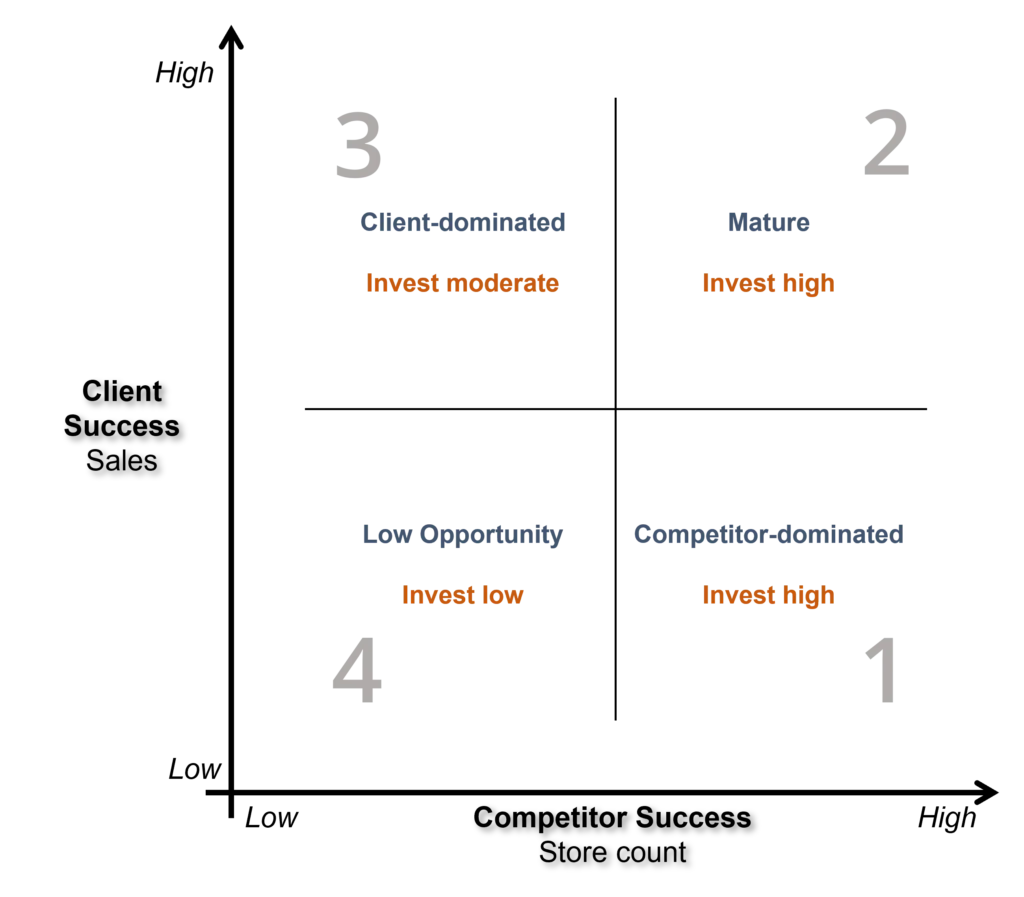
Like Warren Buffett wouldn’t invest in just one stock, we wouldn’t tell our retail clients to invest in just one city. In fact, we believe that geographic diversification is critical to success and that geospatial…
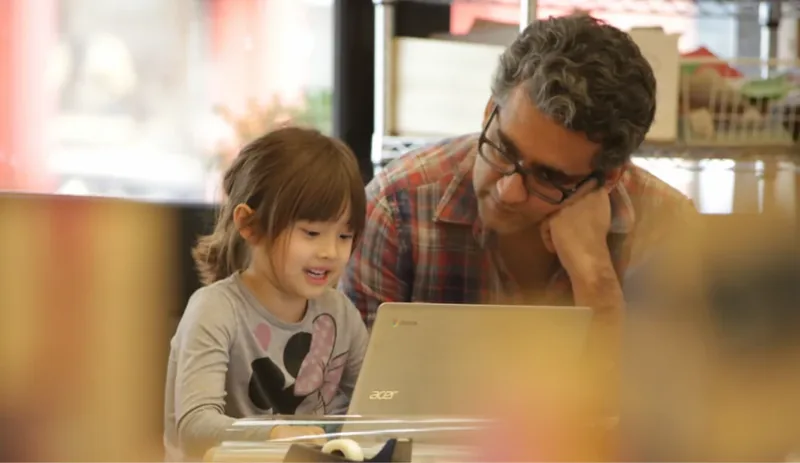
Portfolio School, a Webster Pacific (WP) client since 2021, is an independent school based in the heart of NYC offering top tier education for students in grades K-6 using a project-based learning approach.
"Wee Willie" Keeler, a hall of fame baseball player, once said “hit ‘em where they ain’t.” Webster Pacific takes a similar approach when helping luxury retail clients identify cities for expansion. The approach is…

River Garden Farms, a Webster Pacific (WP) client since 2012, is a 15,000 acre farm in Yolo County, California that grows a variety of crops, including: corn, rice, alfalfa, and walnuts. Over the past few years, WP has…
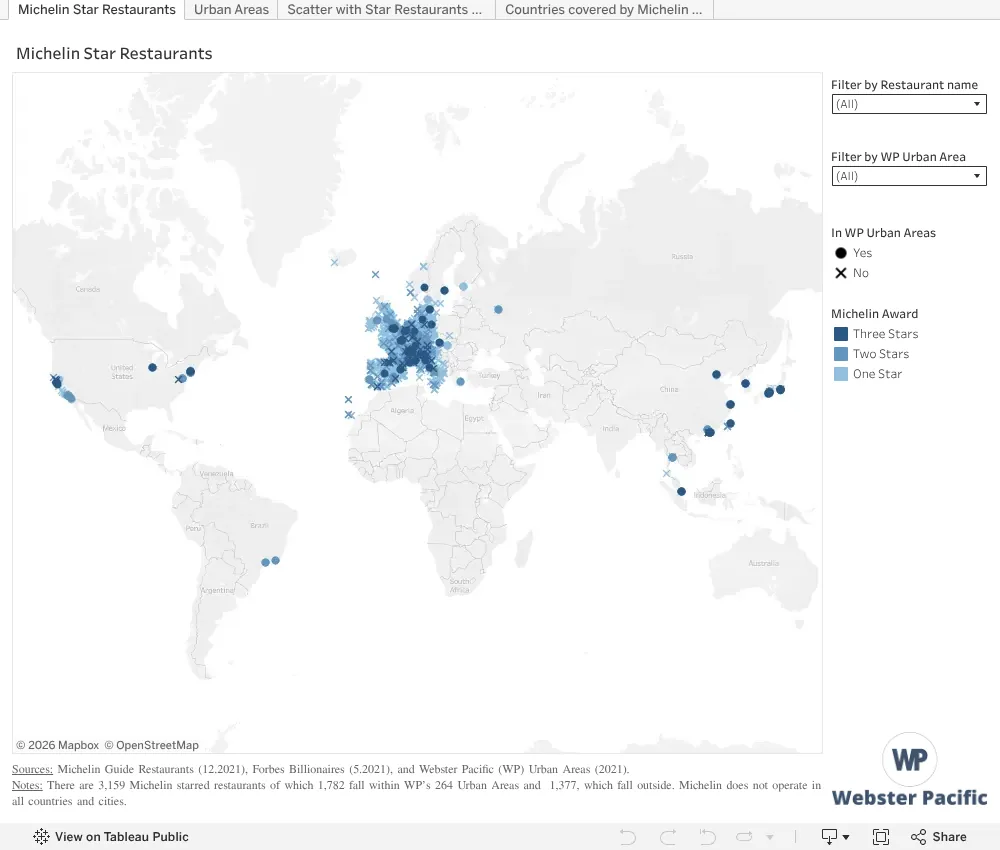
Michelin’s star rating is considered one of the most prestigious awards that a restaurant can receive. We analyzed Michelin’s star ratings and billionaires, by urban area, to try to understand where the world’s…

Dovetail Furniture and Designs, a Webster Pacific (WP) client since 2019, is a B2B designer and reseller of lifestyle furniture based in Los Angeles. The CEO, Marco Petruzzi, is an ex-Bain partner who joined Dovetail…
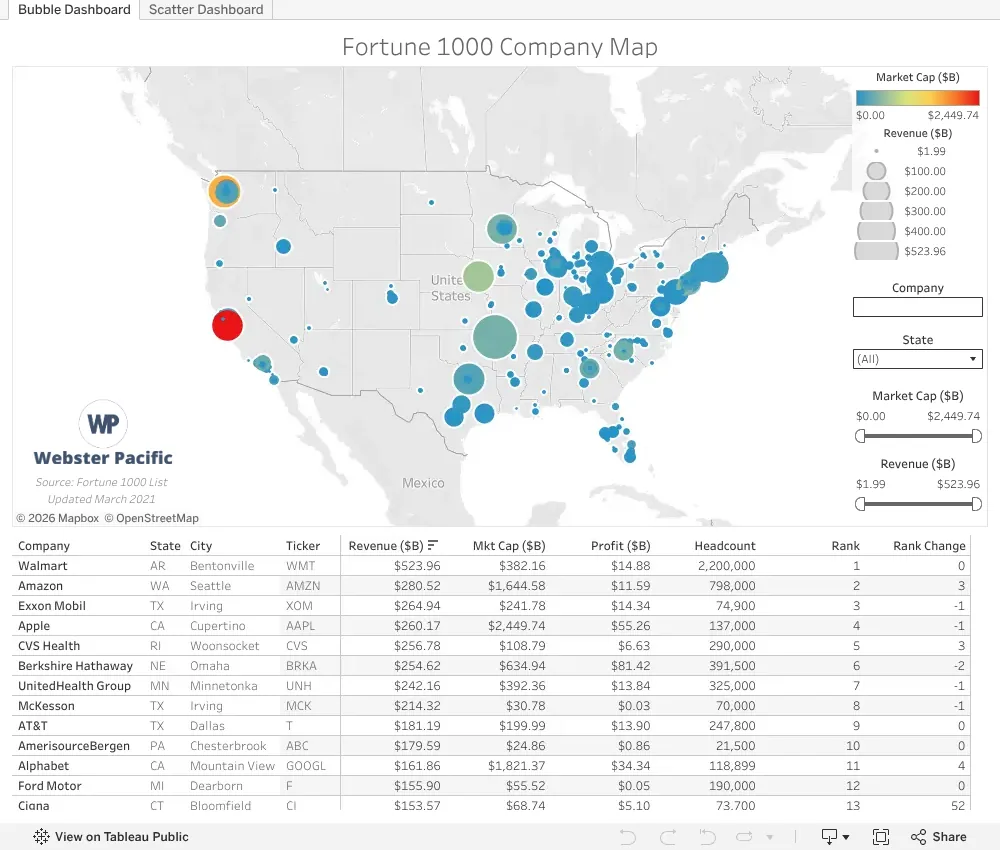
Fortune defines America’s largest 1000 public companies by their revenues, but companies can be defined and ranked by many other metrics, including market cap, profit, and employee count.
Paid marketing is a powerful tool to expand your business and get new customers, but how do you evaluate which campaigns and platforms are the most effective? We created a dashboard that collects the most relevant…

Alex Crane, a WP client since 2019, is a "breezy" linen clothing brand based in Brooklyn. The founder, Alex, and his COO Aaron have grown the Alex Crane brand over 300% YOY for the past 3 years straight. They’ve been…
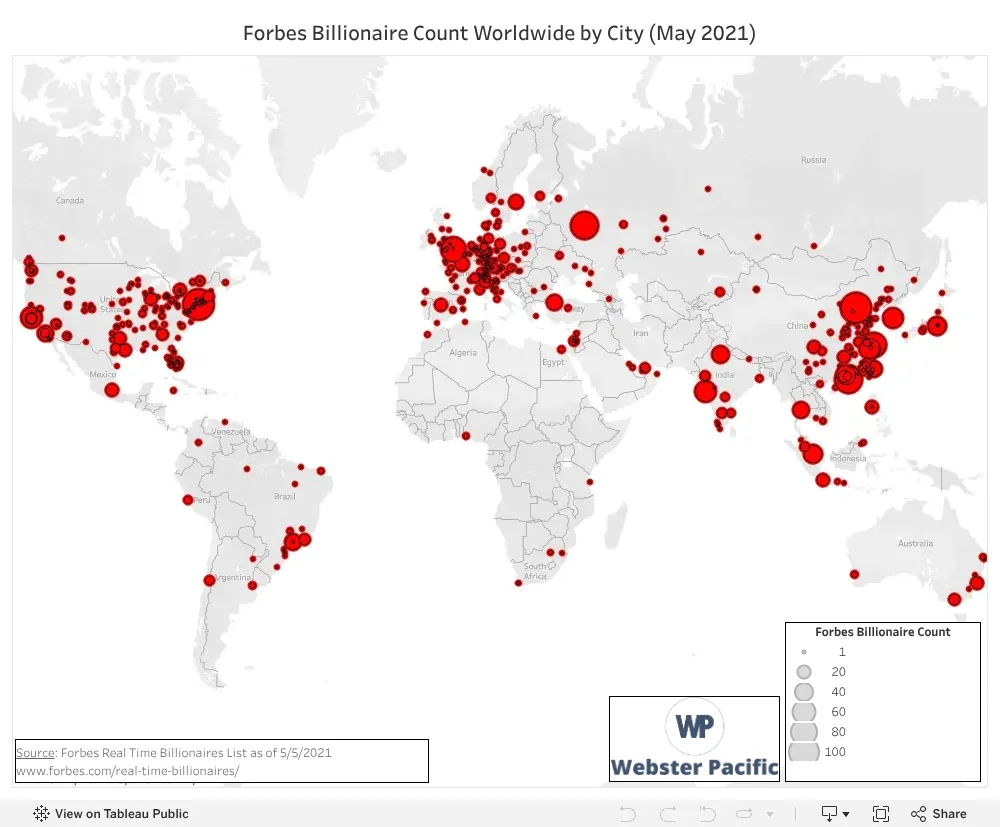
Wealth, like so many other metrics, can be defined in multiple ways, including households earning more than $200k+, High Net Worth Individuals, Ultra High Net Worth Individuals, and Billionaires. Using the Forbes…
As vaccines roll out and consumer confidence grows, we expect to see a significant return to in-person class fitness. To that end, we wanted to study which data is predictive of existing fitness studios like SoulCycle…
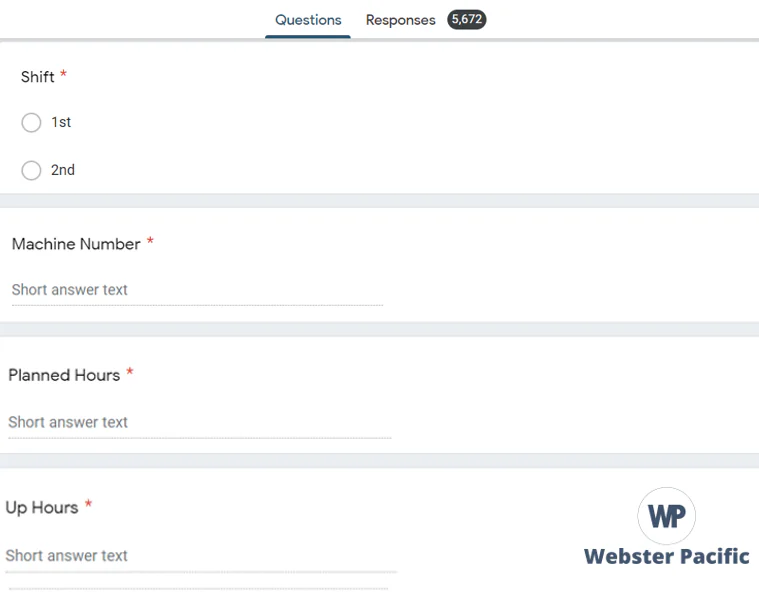
Many organizations struggle with gathering and reporting data. Writing information down on paper and sending excel sheets back and forth can lead to issues with data quality and privacy while making reporting almost…
Webster Pacific continues to expand analytical capabilities for real estate investors of all asset classes. We gather data for our clients on demographics, income, competitive supply and alternative data like proximity…
Webster Pacific and United Van Lines collaborated to better understand the impacts of Covid-19 on USA moving trends. Using United Van Lines data, Webster Pacific studied moves by zip code and metro area over a two-year…
This report is compiled by location analytics specialists Webster Pacific (www.websterpacific.com) and wealth intelligence firm New World Wealth (www.newworldwealth.com). The wealth and HNWI figures in the report are…
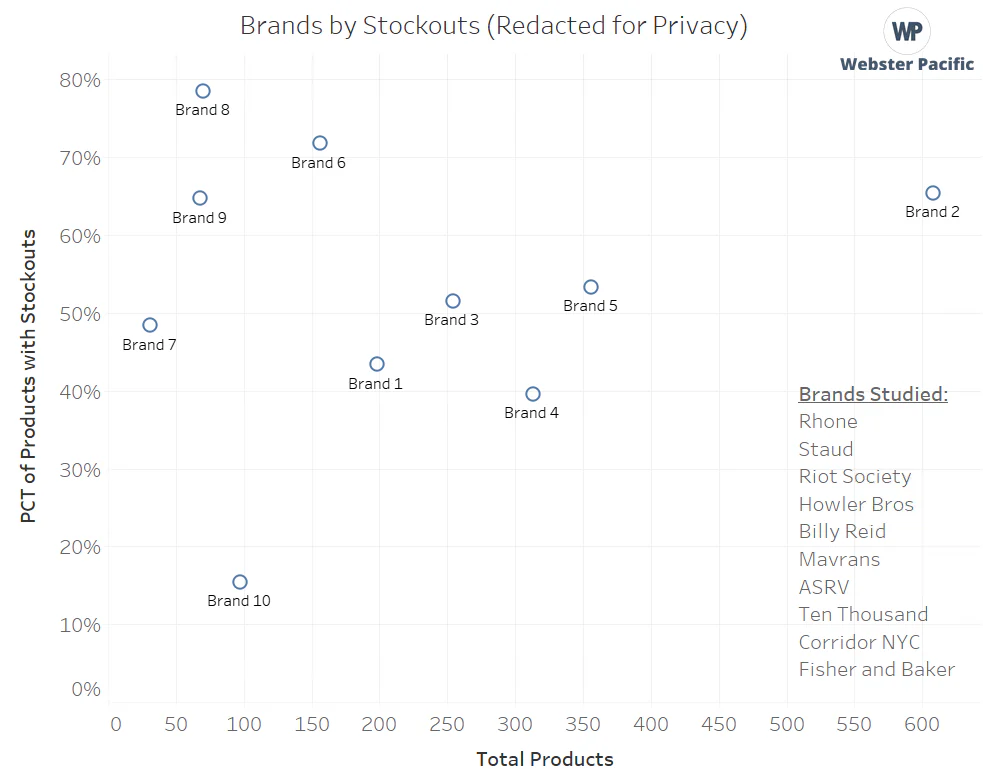
Because many of our clients are e-commerce companies, we were curious to know what level of stockouts are experienced by other e-commerce companies. We were quite surprised to find that 9 out of 10 companies we studied…
Covid-19 has dramatically impacted tourism and, in particular, international tourism. Certain luxury retail markets are more dependent upon tourism than others. Our analysis predicts that the luxury retail markets most…
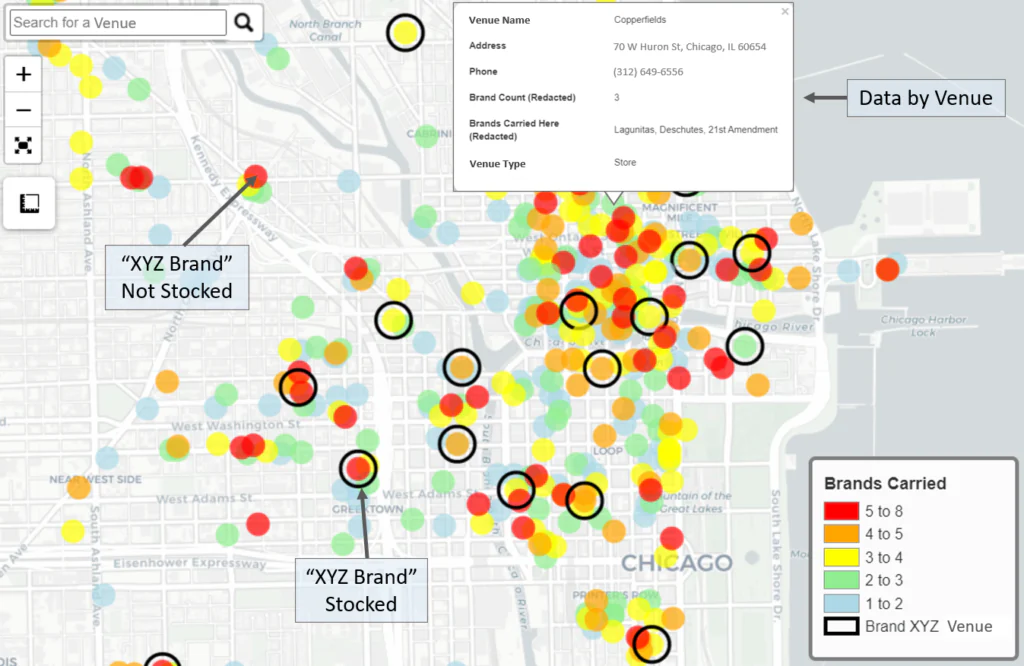
Specialty food and beverage companies (e.g. craft beer) have lost substantial revenue from COVID-related closings of restaurants. Fortunately, most stores are still open. To help find revenue opportunities, Webster…
In the current environment, retail store sales are basically nonexistent, which means that brands are being forced to rely on Ecomm. To that end, we have been helping our clients use geospatial data to find MSAs and…
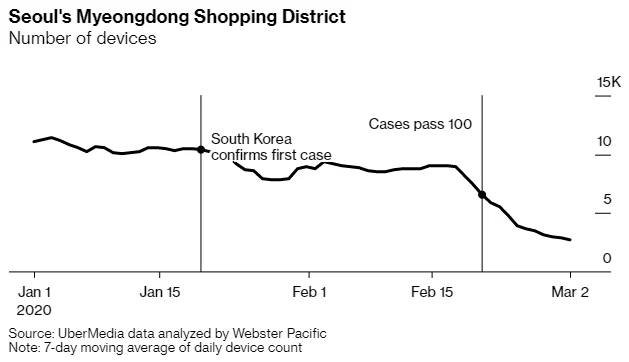
Mobile-phone data -- a proxy measure for crowds -- is showing just how dramatically some of the world’s retail hot spots have cleared out as coronavirus spreads.\
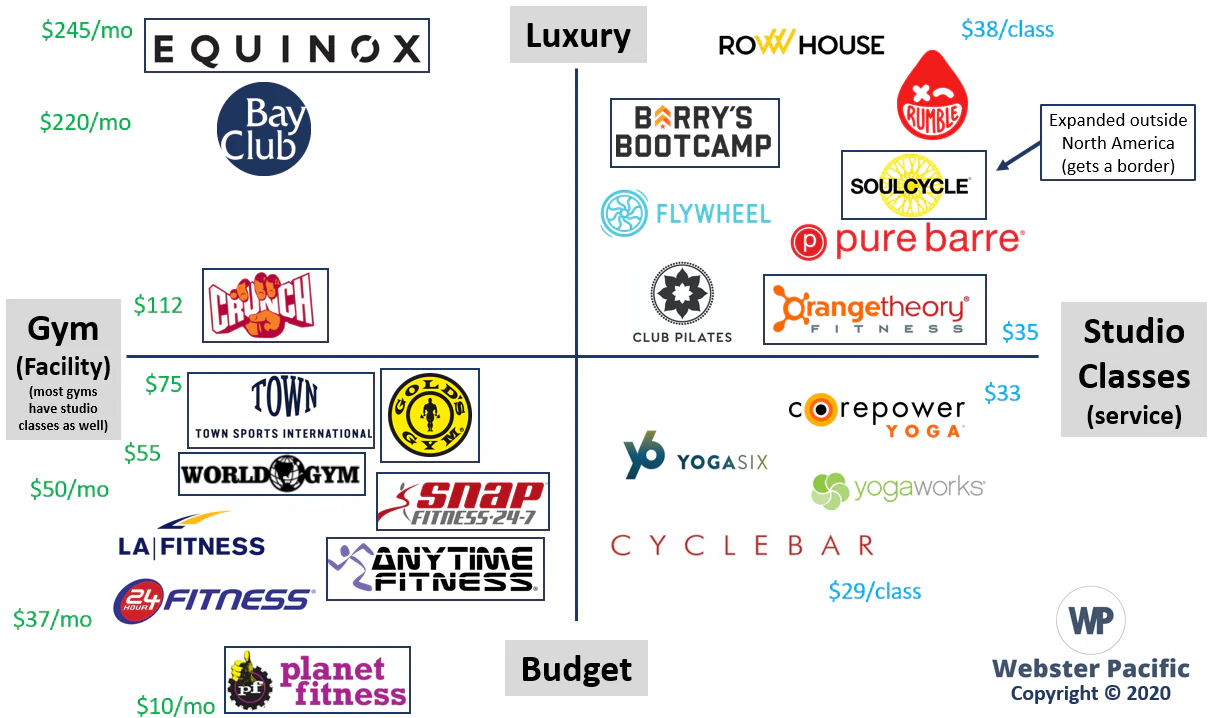
Webster Pacific believes that the foundation of any analysis is strategy. In our location analytics work, we go beyond what software tools and real estate brokers provide, by thinking deeply about our clients' business…
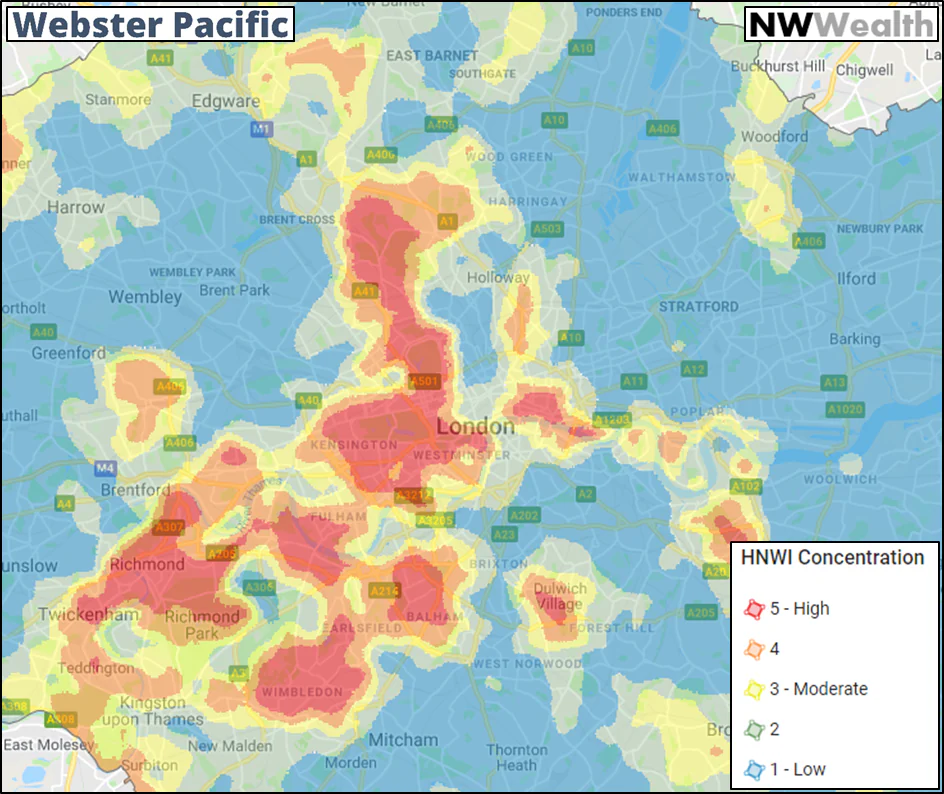
Wealth intelligence firm New World Wealth and location analytics specialists Webster Pacific recently reviewed the top cities worldwide by total wealth held. See top 20 below. As part of this study, Webster Pacific…
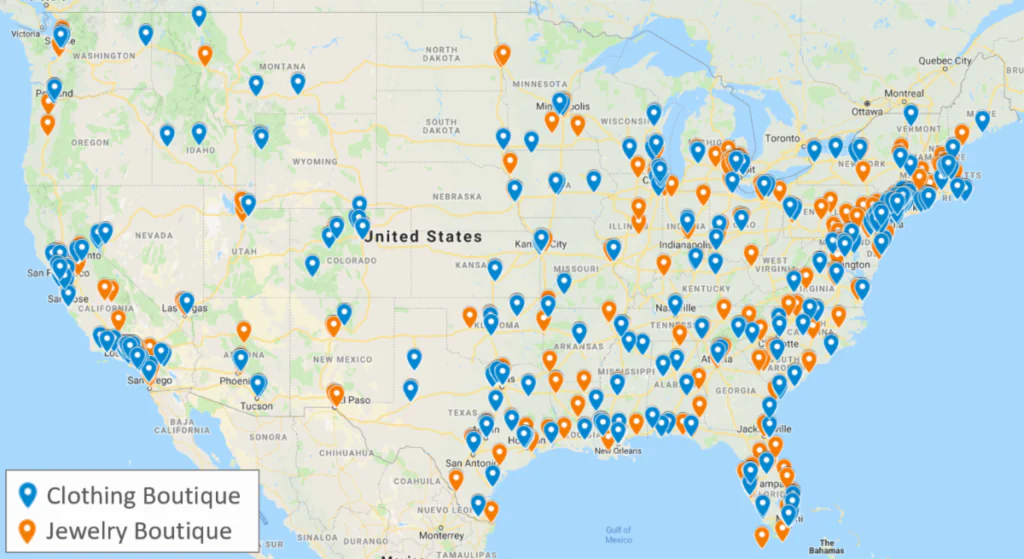
We are developing a new database tool for any high-end, single-brand retailer. Most of these retailers are focused on selling their brand in department stores like Neimans, Saks, and Nordstroms. Another less-traveled…
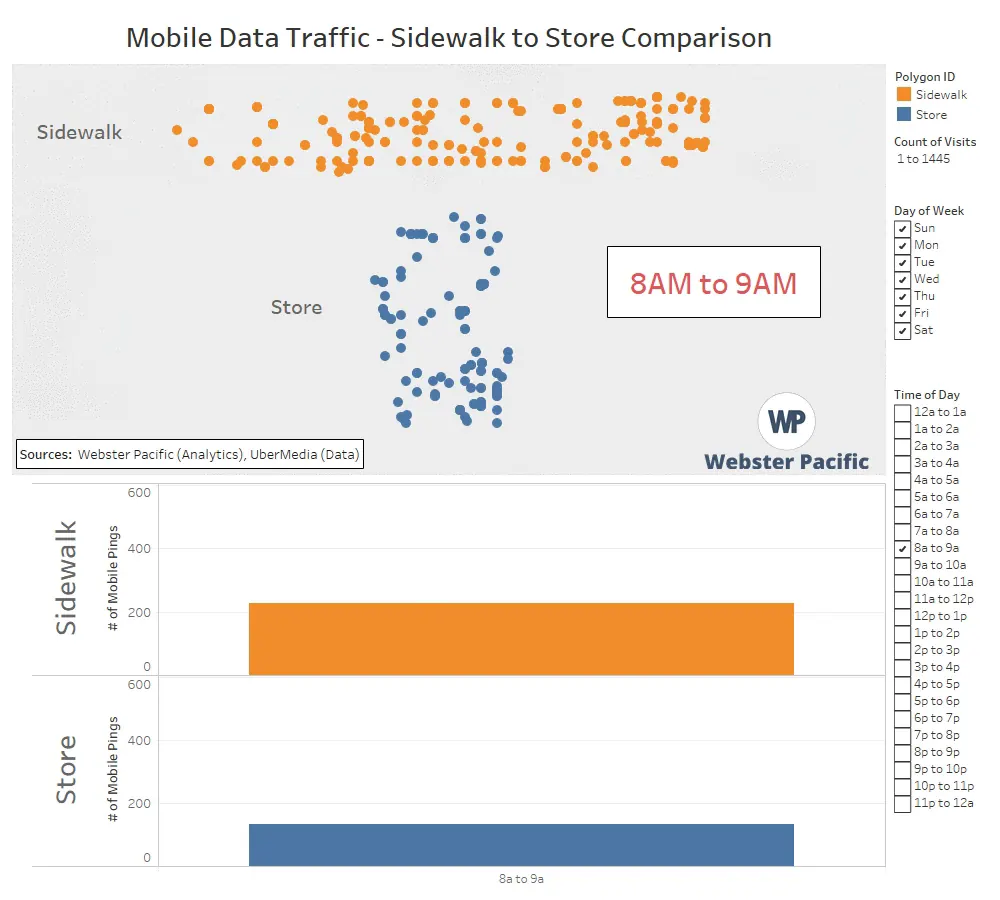 ▶ Video
Estimating sidewalk traffic and in-store traffic is valuable for retailers when making real estate decisions. These figures help them estimate sales, choose hours of operation, and evaluate the rents they should be…
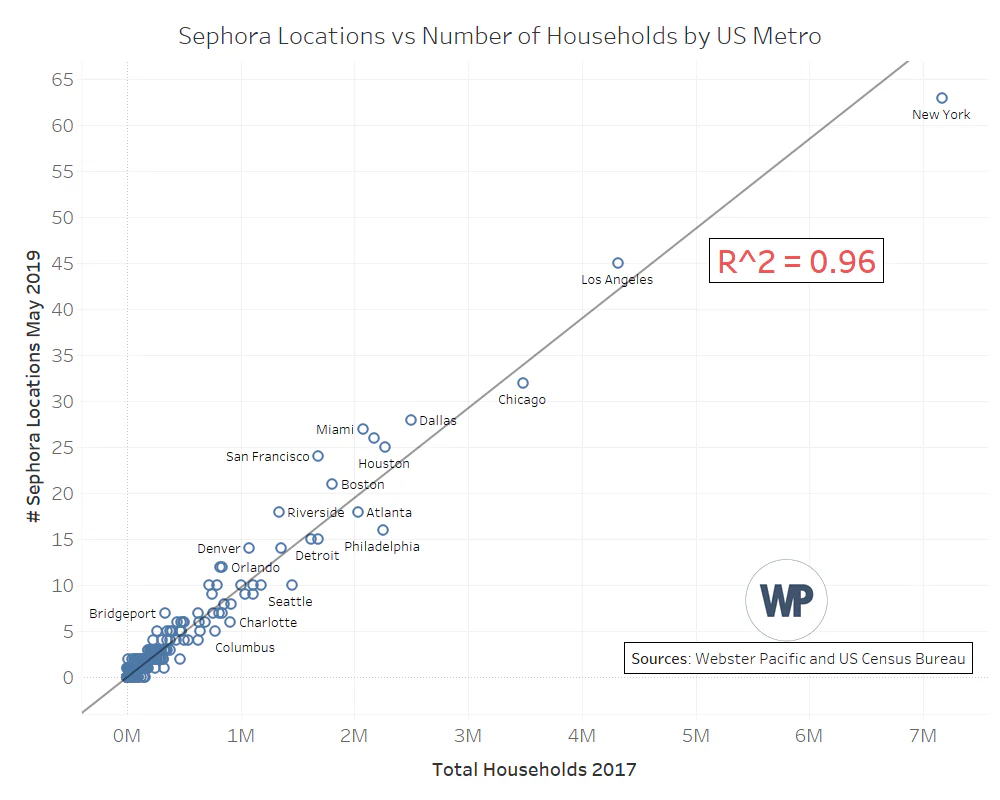
Part of serving our retail clients involves understanding their competitors’ target customer and market entry strategy. We analyzed Sephora, one of the largest companies in the personal care and beauty space, and found…
A Pop-Up Exhibit on the Cartographic History of San Francisco at Covington & Burling, San Francisco: 53 maps, on the 53rd floor of the Salesforce Tower, from 1507 to present, that tell the story of San Francisco…
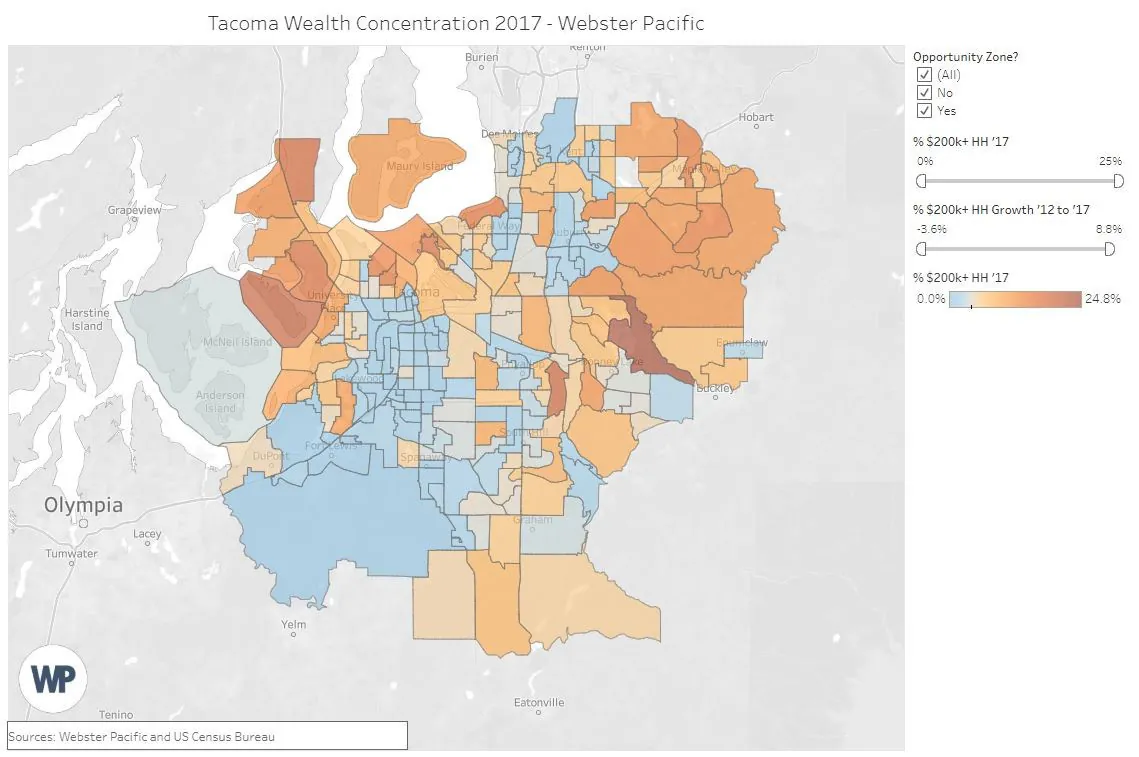
Written by The News Tribune’s Debbie Cockrell. Published on The News Tribune on June 7, 2019.
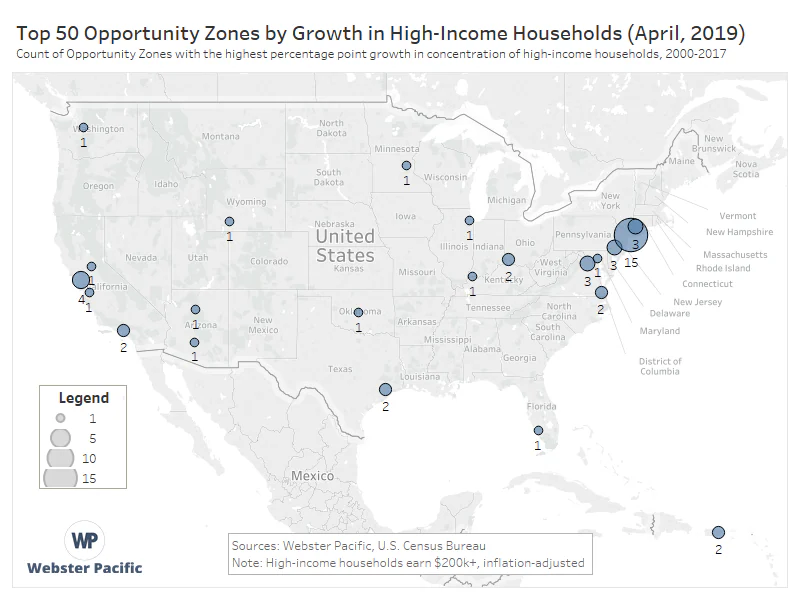
To better understand an investment strategy in Opportunity Zones, Webster Pacific examined various data related to each zone in the United States and Puerto Rico. Our objective was to identify which Opportunity Zones…
45 maps, from 1507 to present, that tell the story of San Francisco. Highlights include: first map of America, California as an island, the 1906 Earthquake, and the "fill" of San Francisco Bay.
 ▶ Video
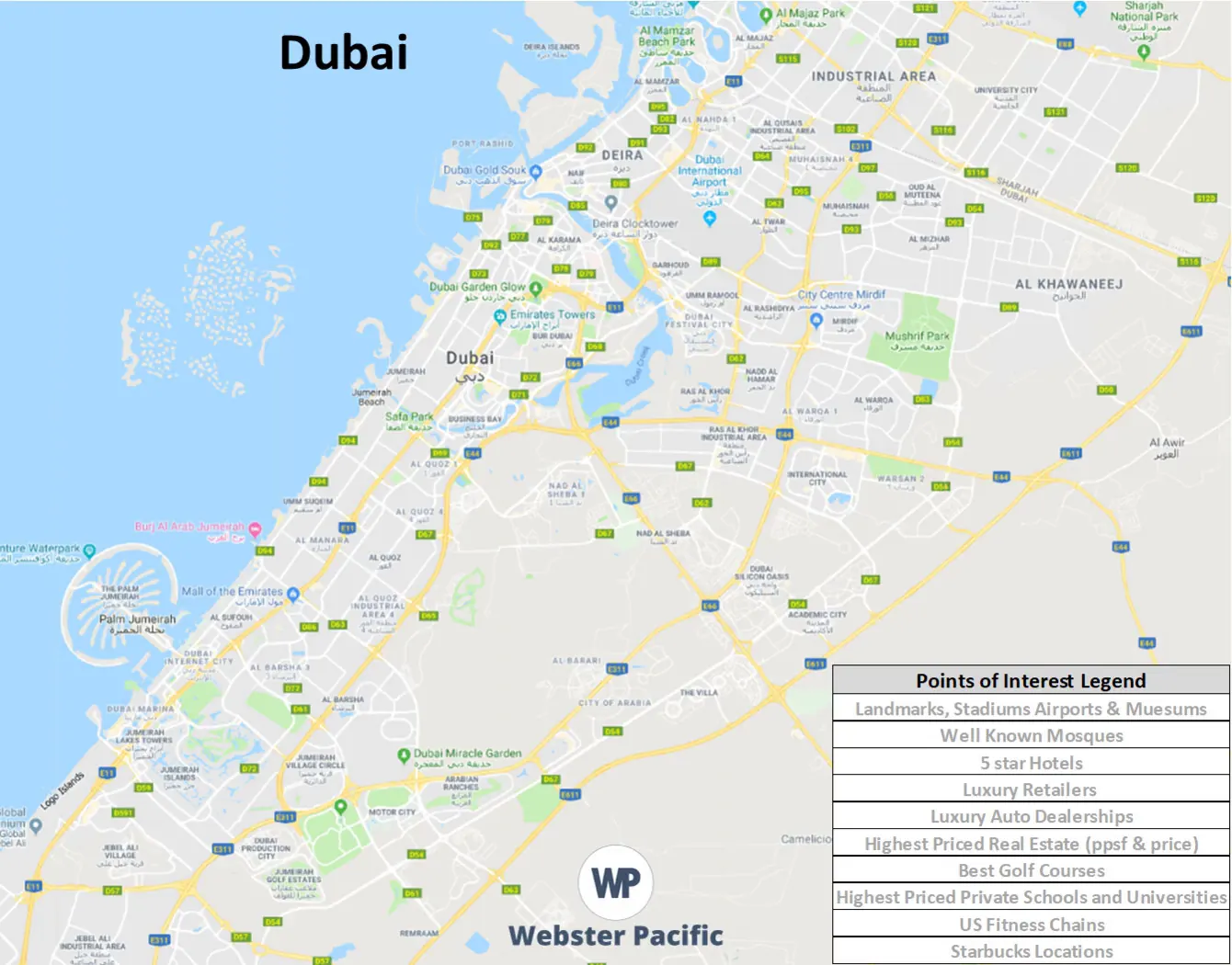
We've worked on over 40 markets around the world, helping companies use data to develop an expansion strategy and evaluate new locations. One of the first things we do when working on a new market is to study the POI…
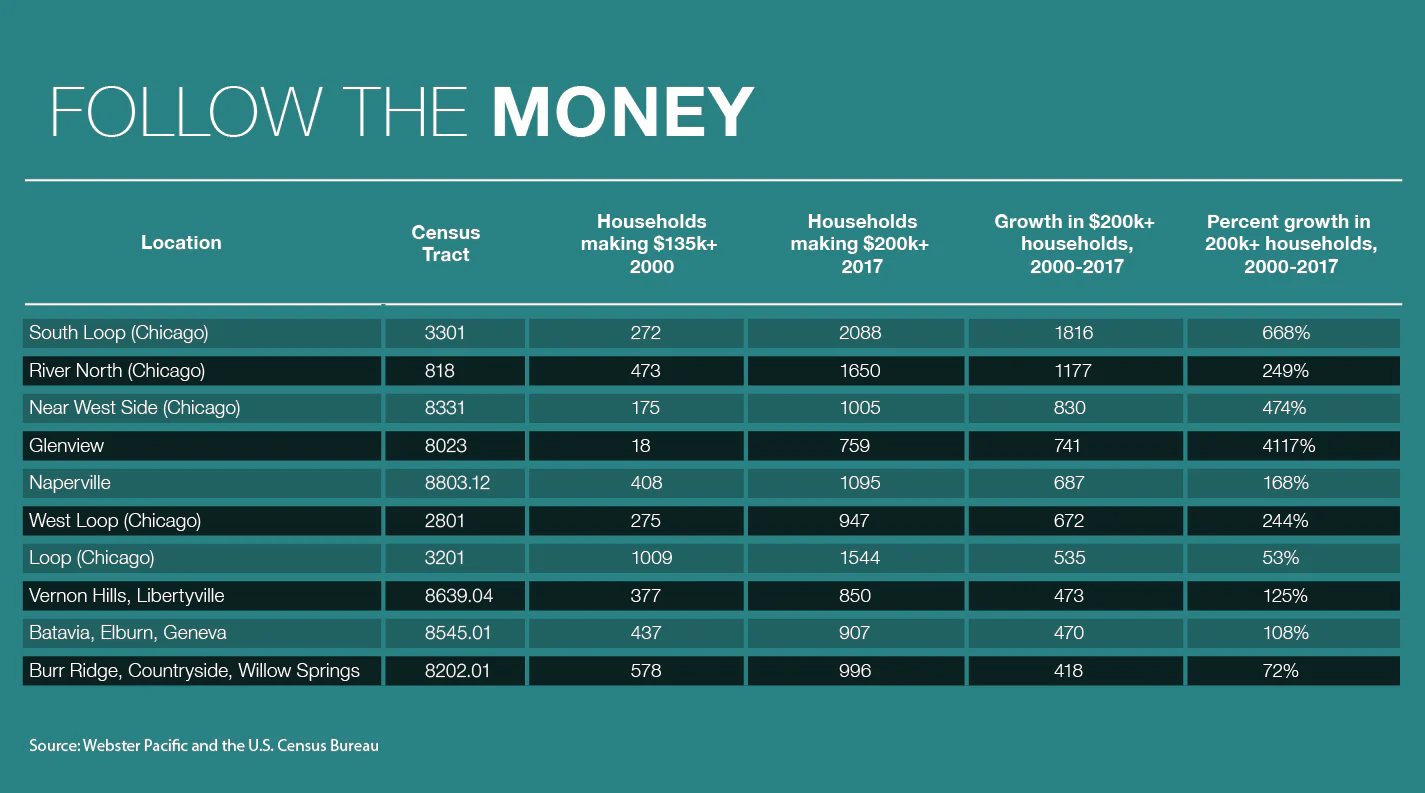
Written by Chicago Agent Magazine's Scott Klocksin. Published on Chicago Agent Mag on February 18, 2019.
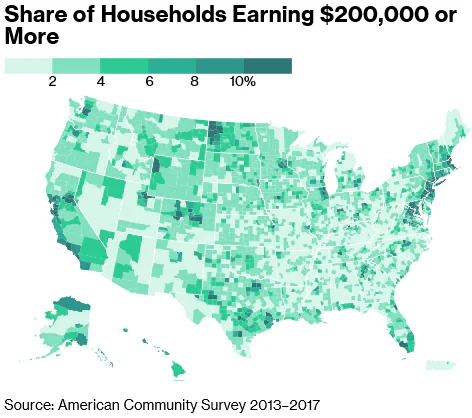
Written by Bloomberg's Reade Pickert, Jonathan Levin, and Hannah Recht. Published on Bloomberg on December 18th, 2018.
Written by Khaleej Times' Waheed Abbas. Published on Khaleej Times on December 15th, 2018.
 ▶ Video
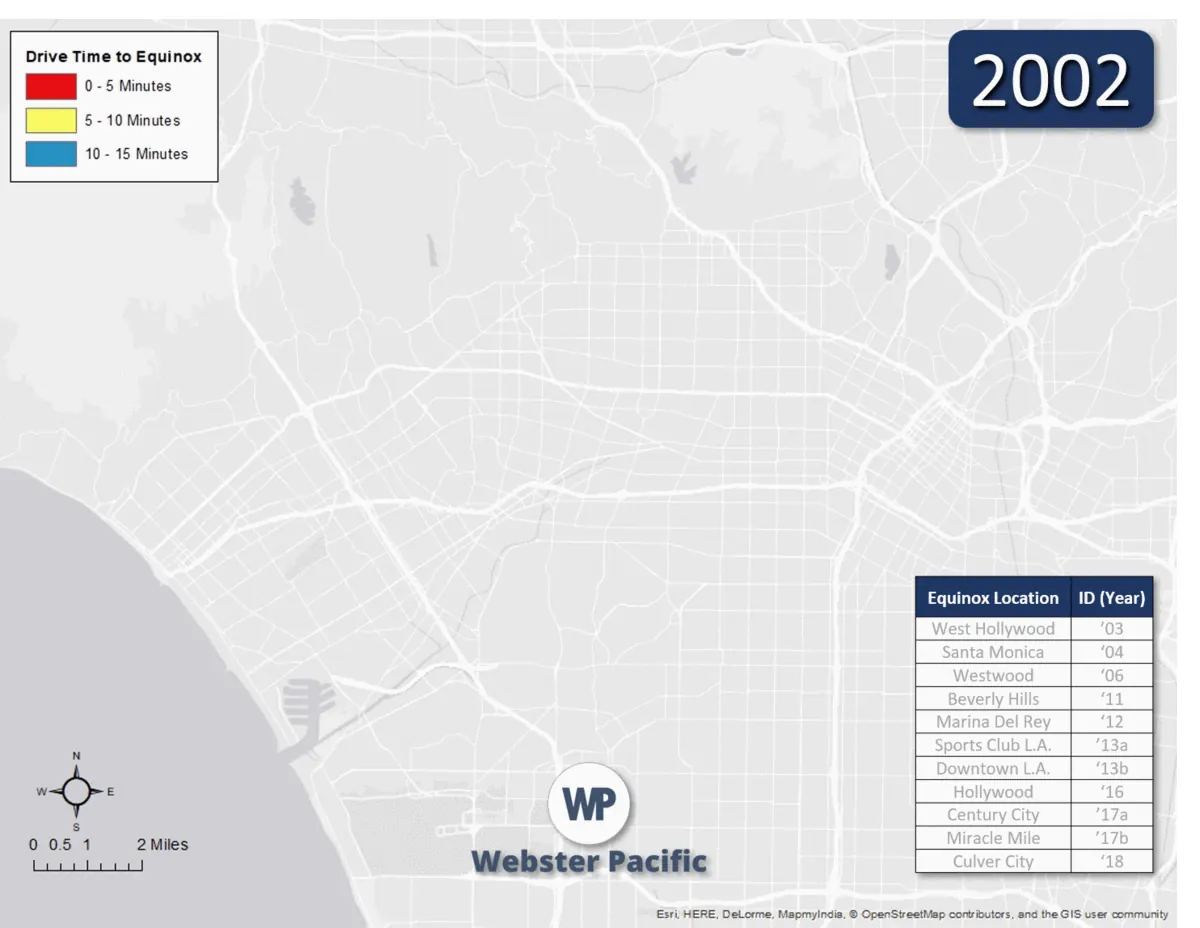
We've created a growth map for Equinox fitness clubs in Los Angeles, showing locations each year from 2002 to 2018. You can view the GIF (movie) below.
Written by Inman News' Gabriela Barkho. Published on Inman on November 16th, 2018.
Steve presented at the NorthWest GIS User Conference on the topic of combining disparate datasets in Bremerton, WA on October 31, 2018.
 ▶ Video
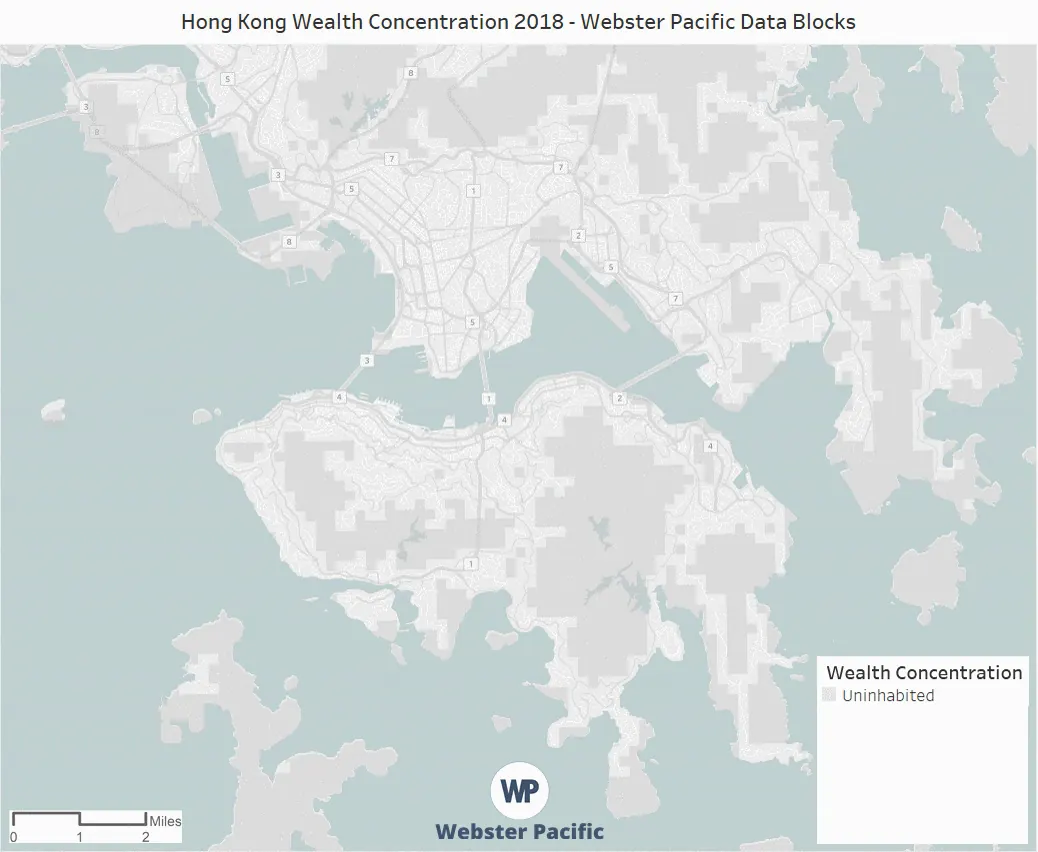
Hong Kong is one of the wealthiest places in the world. As part of our new High Net Worth Individual (HNWI) data product, we've built a GIF (movie) which shows the levels of wealth concentration in Hong Kong.
 ▶ Video
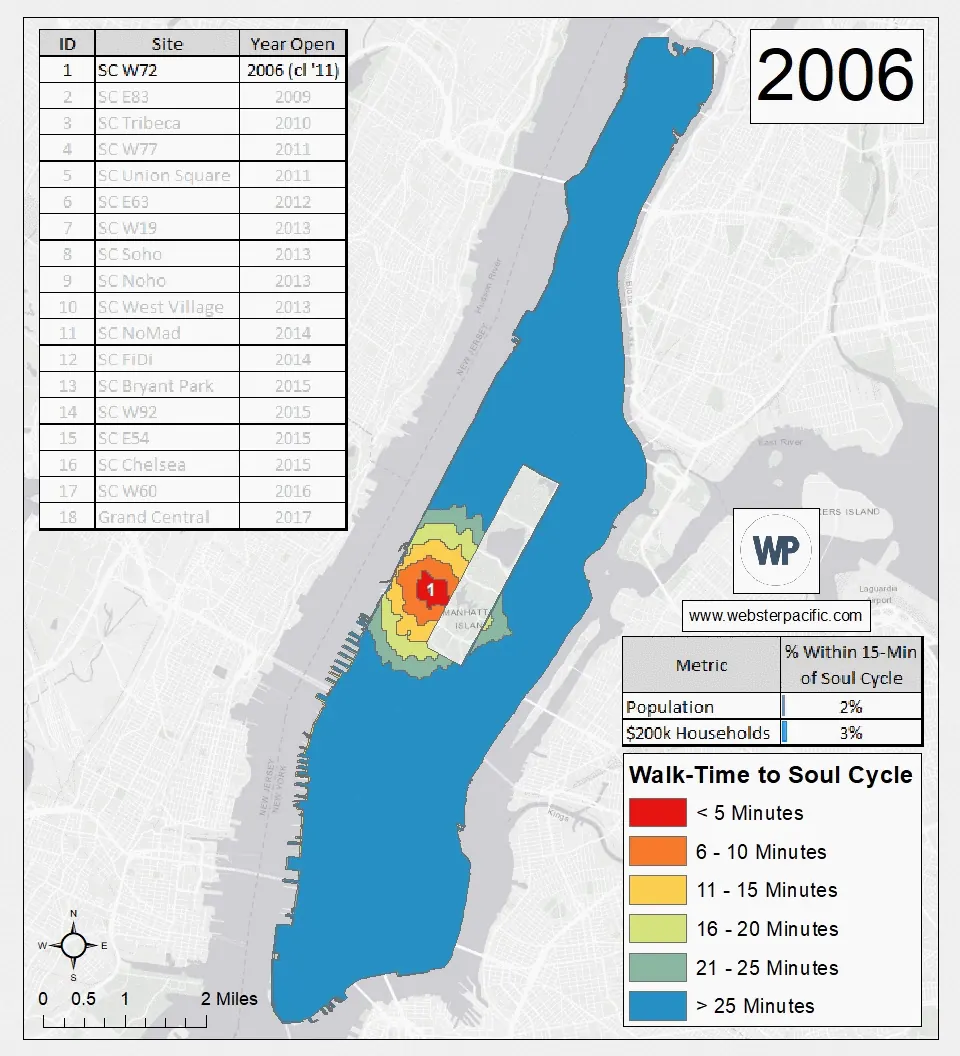
As a follow-up to our Whole Foods Manhattan study, we've created a growth map for SoulCycle in Manhattan. To visualize this, we created a GIF (movie) of SoulCycle locations each year from 2005 to 2018, which you can…
 ▶ Video
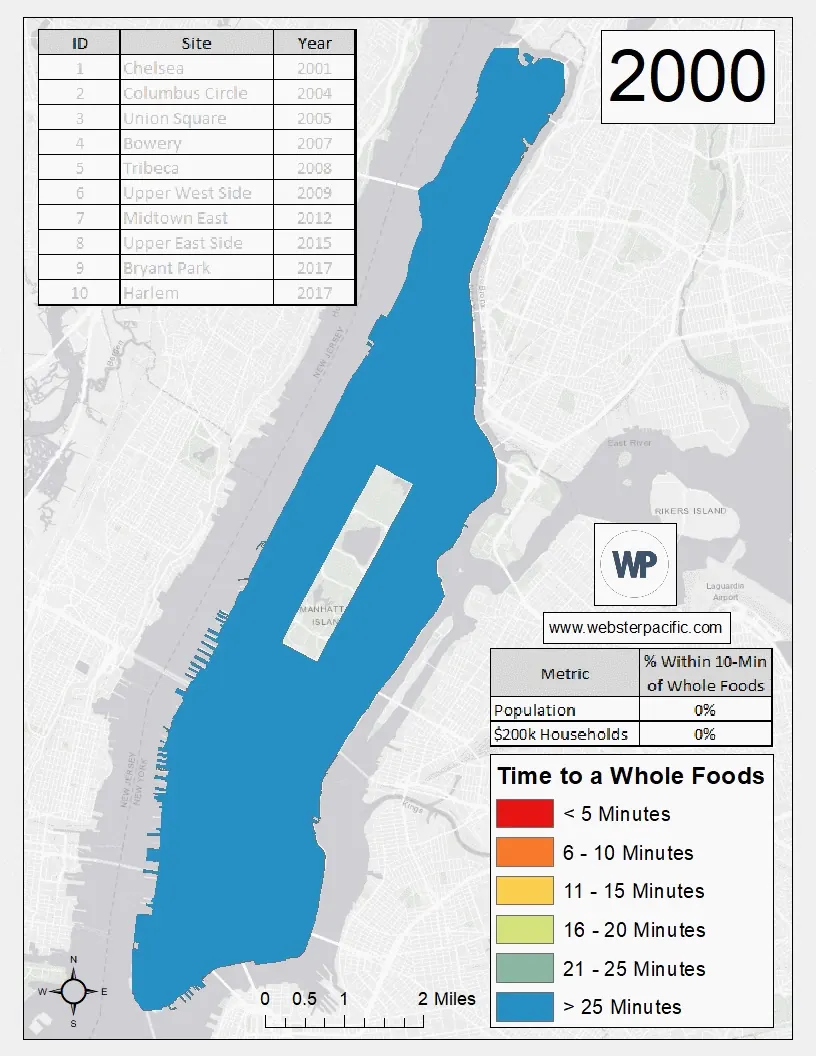
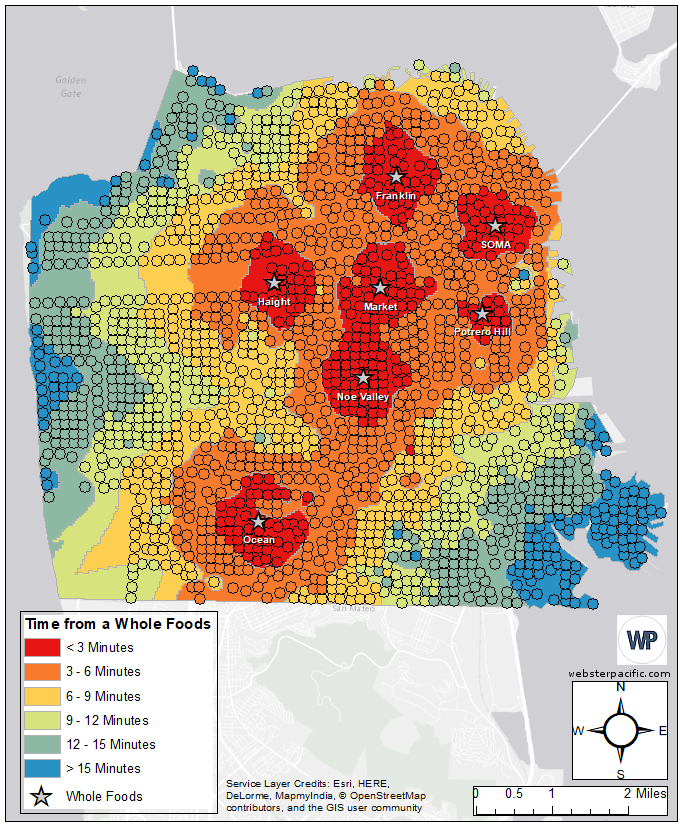
Webster Pacific tracks Whole Foods store locations in markets around the world to better understand retail site selection and in-market wealth. Between 2001 and 2017, Whole Foods has gone from 0 to 10 stores in…
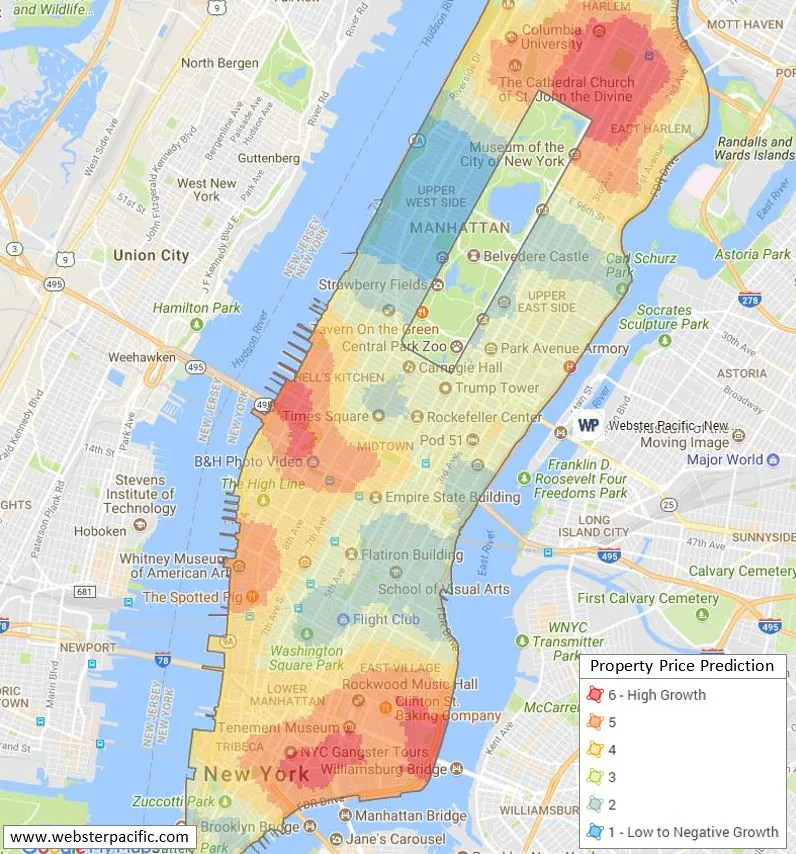
Webster Pacific has been working on Property Price Prediction Maps in markets across the United States. These maps provide our prediction, based upon geospatial wealth-change calculations, of where property prices will…
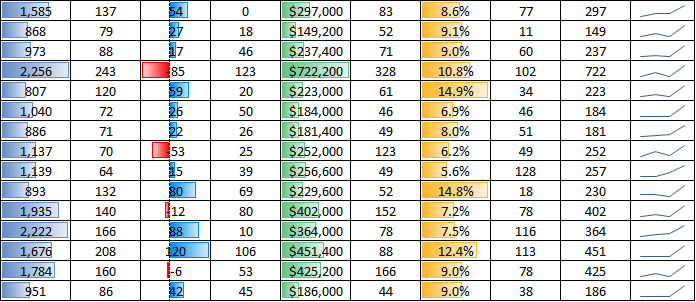
Written by Webster Pacific Managing Partner Tom Paper. Published on Medium on April 18th, 2018.
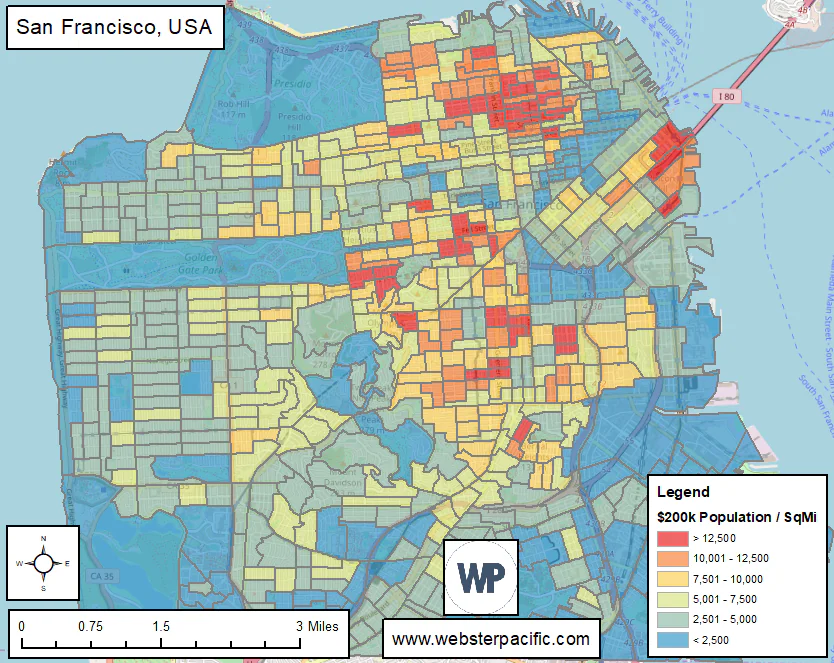
Written by Webster Pacific Managing Partner Tom Paper. Published on Medium on March 19th, 2018.
Many schools possess extensive data, but struggle to produce insights that fuel student success. At Avenues: The World School, we have codified our goals by defining the essential skills of a graduate, and use a wide…
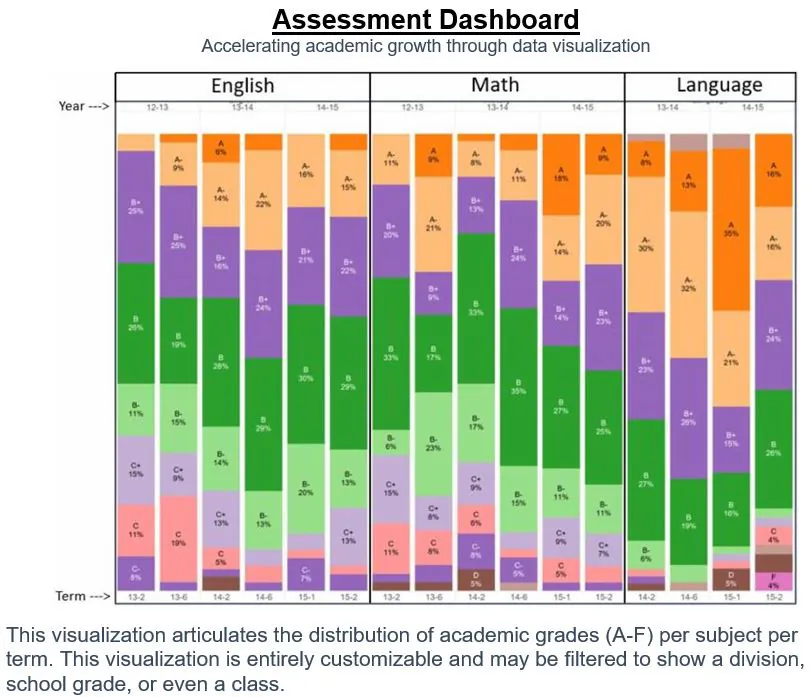
Since 2015, Webster Pacific has developed a series of Assessment Dashboards for a private school client. These dashboards identify students’ progress to be used by teachers as well as classroom and school-wide progress…
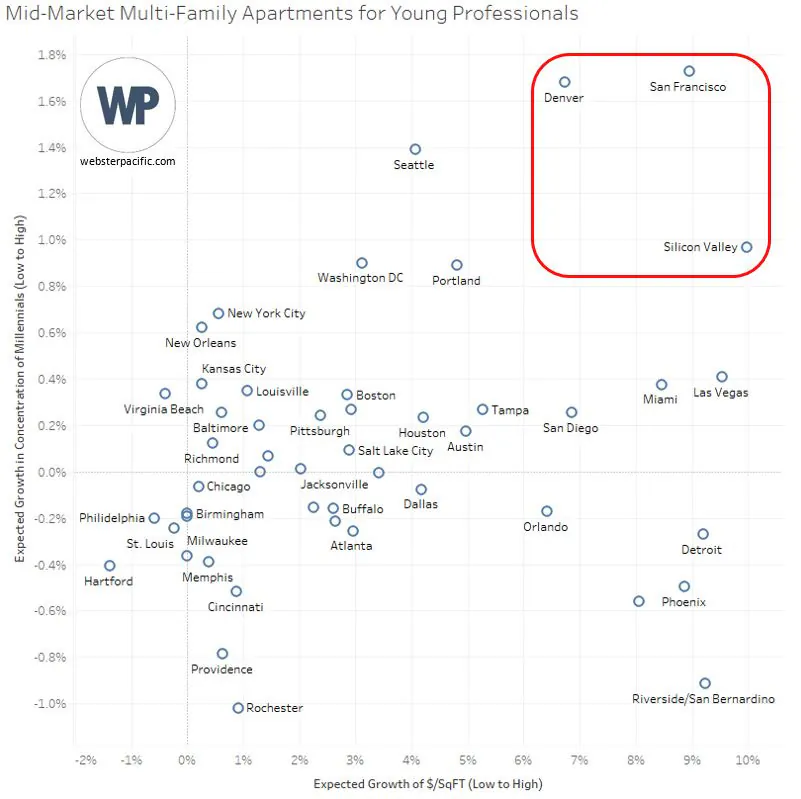
Written by Webster Pacific Consultant Steve Bazant. Published by Propmodo on October 23rd, 2017.
Written by Webster Pacific Consultant Steve Bazant. Published by Propmodo on May 23rd, 2017.
Book a call with the Webster Pacific team. We'll walk your systems and show you exactly where an embedded partner, and a Beacon agent, fit.